



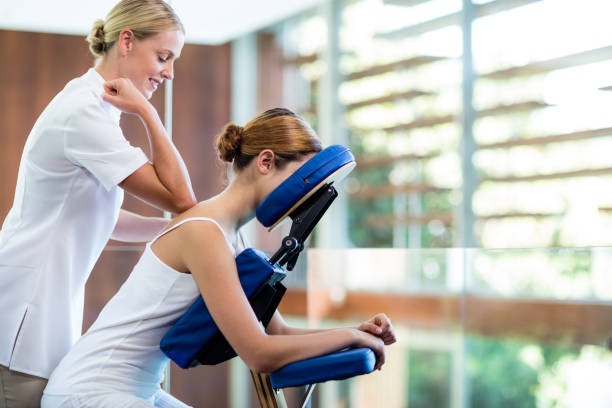
After an intense workout, the body often requires time and care to recover effectively. Muscle fatigue, soreness, and stiffness are common experiences that can hinder performance in subsequent training sessions. Many athletes and fitness enthusiasts seek methods to accelerate recovery, reduce discomfort, and enhance overall well-being. One increasingly popular tool for aiding recovery is the massage chair. But can massage chairs genuinely help with body recovery after workouts?
Massage chairs are designed to simulate various massage techniques such as kneading, tapping, rolling, and shiatsu. These functions aim to relax muscles, improve circulation, and alleviate tension in different parts of the body. The application of mechanical pressure through a massage chair reviews can stimulate blood flow which plays a crucial role in flushing out metabolic waste products like lactic acid that accumulate during strenuous exercise. Improved circulation also delivers oxygen-rich blood to tired muscles more efficiently, promoting faster repair.
Moreover, muscle relaxation induced by massage chairs may reduce delayed onset muscle soreness (DOMS), which typically arises 24-72 hours post-exercise due to micro-tears in muscle fibers. By loosening tight muscles and breaking down adhesions or knots formed during physical exertion, these devices might contribute to enhanced flexibility and reduced pain perception.
Another benefit worth noting is stress relief. Physical activity not only taxes muscles but also places mental demands on individuals striving for peak performance or personal goals. Massage chairs provide a calming experience that can lower cortisol levels-the hormone associated with stress-thereby supporting psychological recovery alongside physical healing.
However, it’s essential to recognize that while massage chairs offer convenience and accessibility compared to professional massages or other therapies like foam rolling or stretching routines; they do have limitations. The precision of human hands cannot be fully replicated by machines; thus certain areas requiring targeted attention might not receive adequate treatment from automated programs alone.
Furthermore, individual responses vary widely depending on factors such as workout intensity, personal pain thresholds, existing injuries or conditions like inflammation where excessive pressure could exacerbate symptoms rather than relieve them.
In conclusion, incorporating use of a massage chair after workouts can be a valuable component of a comprehensive recovery strategy when used appropriately alongside hydration nutrition rest proper warm-up cool-down practices etc.. They aid circulation promote relaxation alleviate mild muscle soreness thereby potentially speeding up the body’s natural healing processes between sessions without demanding significant additional effort from users themselves.. Nonetheless consulting healthcare professionals before starting new recovery modalities remains advisable especially if underlying health issues exist.. Ultimately combining technology-driven solutions like massage chairs with traditional recovery methods offers promising support for those seeking efficient post-workout restoration .